Business Card: A Powerful Tool for Networking and Branding

In today’s fast-paced digital world, where communication happens at the click of a button, the humble business card continues to hold its ground as a powerful tool for networking and branding. Despite the advent of technology, business cards remain an essential part of professional interactions, serving as a tangible representation of oneself and a means to establish meaningful connections. In this article, we will delve into the significance of business cards, exploring their benefits, design considerations, and tips for effective usage.
Table of Contents
- Introduction: The Importance of Business Cards
- Establishing a Memorable First Impression
- Designing an Effective Business Card
- 3.1 Choosing the Right Colors and Fonts
- 3.2 Incorporating Relevant Branding Elements
- 3.3 Emphasizing Contact Information
- 3.4 Utilizing Engaging Visuals
- Enhancing Networking Opportunities
- 4.1 Personalized Messaging and Notes
- 4.2 Including Social Media Information
- 4.3 Leveraging QR Codes and Digital Integration
- 4.4 Providing Value with Special Offers
- Business Card Etiquette and Distribution
- 5.1 Always Be Prepared
- 5.2 Exchanging Cards with Grace
- 5.3 Following Up after Networking Events
- Business Cards in the Digital Age
- 6.1 Digital Alternatives to Traditional Business Cards
- 6.2 Integrating Business Cards into Online Platforms
- Conclusion
- Frequently Asked Questions
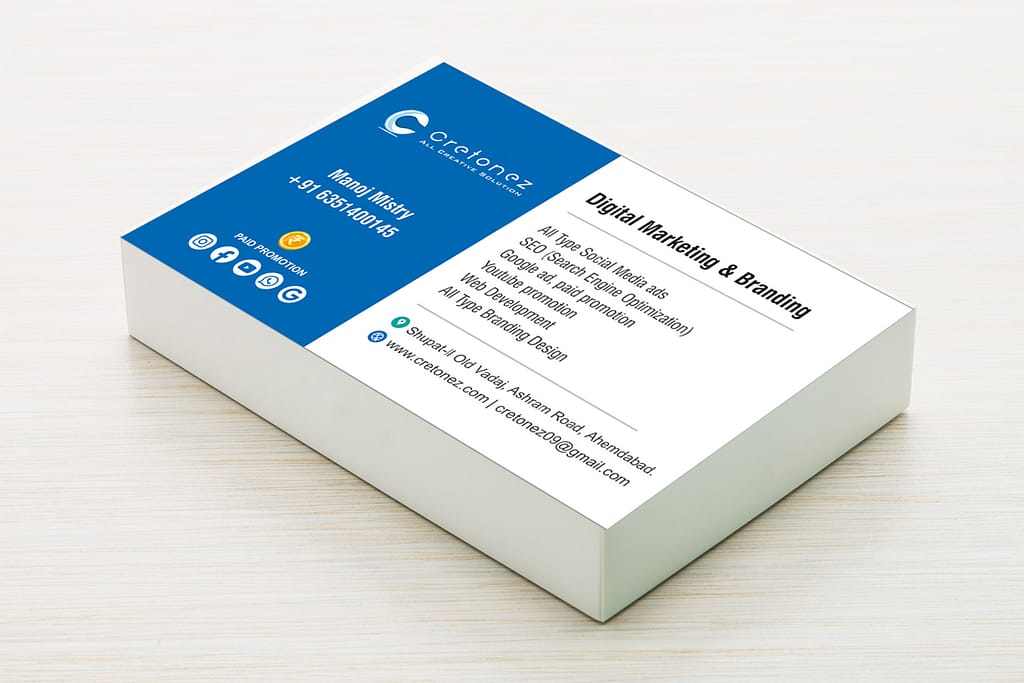
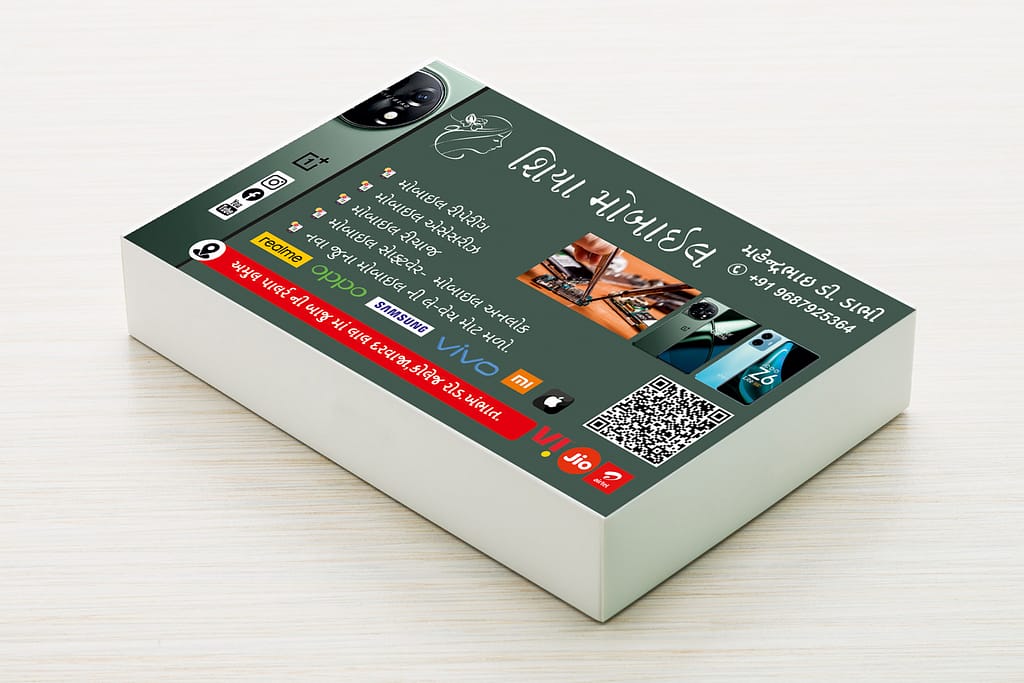
. Introduction: The Importance of Business Cards
In a world saturated with digital communication, business cards offer a tangible and personal touch that leaves a lasting impression on potential clients, partners, and contacts. While virtual connections have their merits, there is something special about exchanging physical cards during face-to-face meetings. A well-designed business card can convey professionalism, credibility, and attention to detail, making it a vital tool for individuals and businesses alike.
2. Establishing a Memorable First Impression
A business card serves as an introduction to who you are and what you represent. It provides a snapshot of your brand and personality, leaving a lasting impression on the recipient. By presenting a well-crafted business card, you can capture attention, spark curiosity, and initiate further conversations. It’s an opportunity to stand out from the digital noise and make a memorable impact.
3. Designing an Effective Business Card
create a business card stands out, several design must be taken into account. Let’s explore some key elements:
3.1 Choosing the Right Colors and Fonts
The color palette and fonts used on a business card play a crucial role in conveying the desired message and brand identity. Select colors that align with your brand and evoke the desired emotions. Fonts should be legible and representative of your style, ensuring easy readability of your contact details.
3.2 Incorporating Relevant Branding Elements
Ensure that your business card reflects your brand identity cohesively. Incorporate your logo, tagline, and any other relevant branding elements that reinforce your brand’s visual identity. Consistency across all marketing materials enhances brand recognition and credibility.
3.3 Emphasizing Contact Information
One of the primary purposes of a business card is to provide contact information. Ensure that your name, job title, company name, phone number, email address, and website are prominently displayed and easily readable. Consider including relevant social media handles to facilitate online connections.
3.4 Utilizing Engaging Visuals
Engaging visuals can make your business card more memorable. Consider incorporating relevant images or graphics that align with your industry or personal brand. However, be mindful of not overcrowding the card with excessive visuals that may distract from the essential information.
4. Enhancing Networking Opportunities
Business cards are not mere contact information carriers; they also offer opportunities to enhance networking efforts. Here are some ways to maximize their effectiveness:
4.1 Personalized Messaging and Notes
Adding personalized messages or brief notes on the back of your business card can help establish a personal connection. It shows that you took the time to customize the interaction, making it more memorable for the recipient.
4.2 Including Social Media Information
In today’s digital landscape, including your social media handles on your business card enables potential connections to engage with you further online. Ensure that your social media profiles are up-to-date and aligned with your professional goals.
4.3 Leveraging QR Codes and Digital Integration
Integrating QR codes on your business card can provide easy access to additional information or resources. Linking the code to your website, portfolio, or LinkedIn profile can help recipients gain a deeper understanding of your expertise and achievements.
4.4 Providing Value with Special Offers
Consider offering exclusive discounts or promotions on your business card to incentivize recipients to reach out or visit your website. This can create a sense of urgency and provide an extra incentive for potential clients or collaborators to take the next step.
5. Business Card Etiquette and Distribution
While having well-designed business cards is crucial, knowing how to distribute them gracefully is equally important. Here are some etiquette guidelines to follow:
5.1 Always Be Prepared
Ensure that you carry a sufficient number of business cards wherever you go. You never know when an opportunity for networking or collaboration may arise, so being prepared is essential.
5.2 Exchanging Cards with Grace
When exchanging business cards, do so respectfully and with attention. Present your card with both hands, facing the recipient, allowing them to read it easily. Take a moment to acknowledge the card you receive before putting it away safely.
5.3 Following Up after Networking Events
After attending networking events or conferences, follow up with the connections you made. Sending a personalized email or connecting on LinkedIn reinforces the relationship and opens doors for future collaborations or opportunities.
6. Business Cards in the Digital Age
As technology continues to evolve, the role of business cards is adapting to the digital landscape. Here are some considerations for integrating business cards into the digital age:
6.1 Digital Alternatives to Traditional Business Cards
Digital business cards, such as virtual cards or mobile apps, offer a convenient and eco-friendly alternative. These digital formats allow recipients to store contact information digitally, reducing the risk of losing physical cards.
6.2 Integrating Business Cards into Online Platforms
Incorporating business card information into online platforms, such as email signatures, social media profiles, or professional networking sites, ensures a consistent presence across various channels. It maximizes the visibility of your contact information and facilitates easy connections.
7. Conclusion
In the realm of professional networking and branding, business cards continue to play a vital role. A well-designed business card can leave a lasting impression, establish credibility, and open doors for meaningful connections. By considering the design elements, leveraging networking opportunities, and embracing digital integration, business cards remain a powerful tool for individuals and businesses to make their mark in a competitive world.
Frequently Asked Questions
Q1: Are business cards still relevant in the digital age?
Yes,